
You can have peaceful or lively moments depending on your mood!
SeaWave Villas are located in the Akrotiri Peninsula - a poetic tapestry of gentle beaches, quaint villages, and breathtaking coastal vistas, inviting you to relax and explore nature's quiet charm just a short drive from Chania.
Chania City
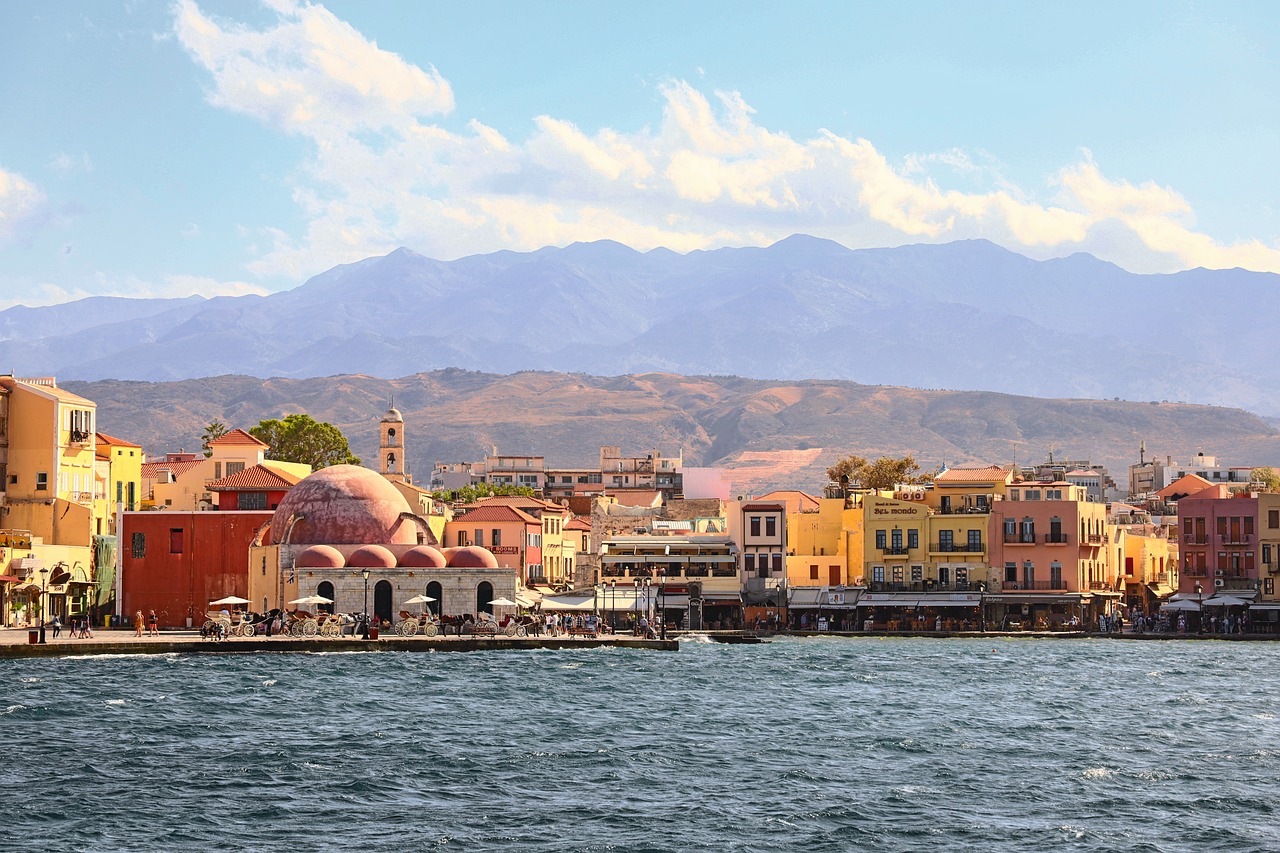
Chania is a captivating city on Crete's northern coast, celebrated for its rich history, diverse architecture, and vibrant culture. Known in antiquity as Kydonia, Chania's origins date back to the early Minoan era around 3650 BC, evolving into a significant
Chania is a captivating city on Crete's northern coast, celebrated for its rich history, diverse architecture, and vibrant culture. Known in antiquity as Kydonia, Chania's origins date back to the early Minoan era around 3650 BC, evolving into a significant center during the Minoan civilization.
The city's old town is a mosaic of Venetian, Turkish, traditional, and modern architecture. At its heart lies the Venetian Harbor, a lively area lined with cafés and restaurants. Dominating the harbor is the iconic Egyptian Lighthouse, originally constructed by the Venetians in the 16th century and reconstructed by the Egyptians in the 19th century, standing as a sentinel at the harbor's edge.
Adjacent to the harbor is the Yali Tzamii mosque, also known as the Janissaries Mosque, a testament to the Ottoman influence in Chania. This 17th-century structure, with its distinctive domes, now serves as a venue for art exhibitions.
The old town's narrow alleys lead to historical landmarks such as the Venetian Shipyards (Neoria), the Byzantine Walls, and the Etz Hayyim Synagogue, reflecting the city's multicultural past. The Archaeological Museum, housed in a former Venetian church, showcases artifacts from various periods, offering insights into Chania's layered history.
Beyond its historical sites, Chania offers beautiful beaches like Agia Marina and Elafonisi, perfect for relaxation and water sports. The nearby White Mountains provide opportunities for hiking and, in winter months, even skiing.
With its blend of historical charm, cultural diversity, and natural beauty, Chania provides a unique and enriching experience for visitors exploring Crete.
Show More
Loutraki Beach
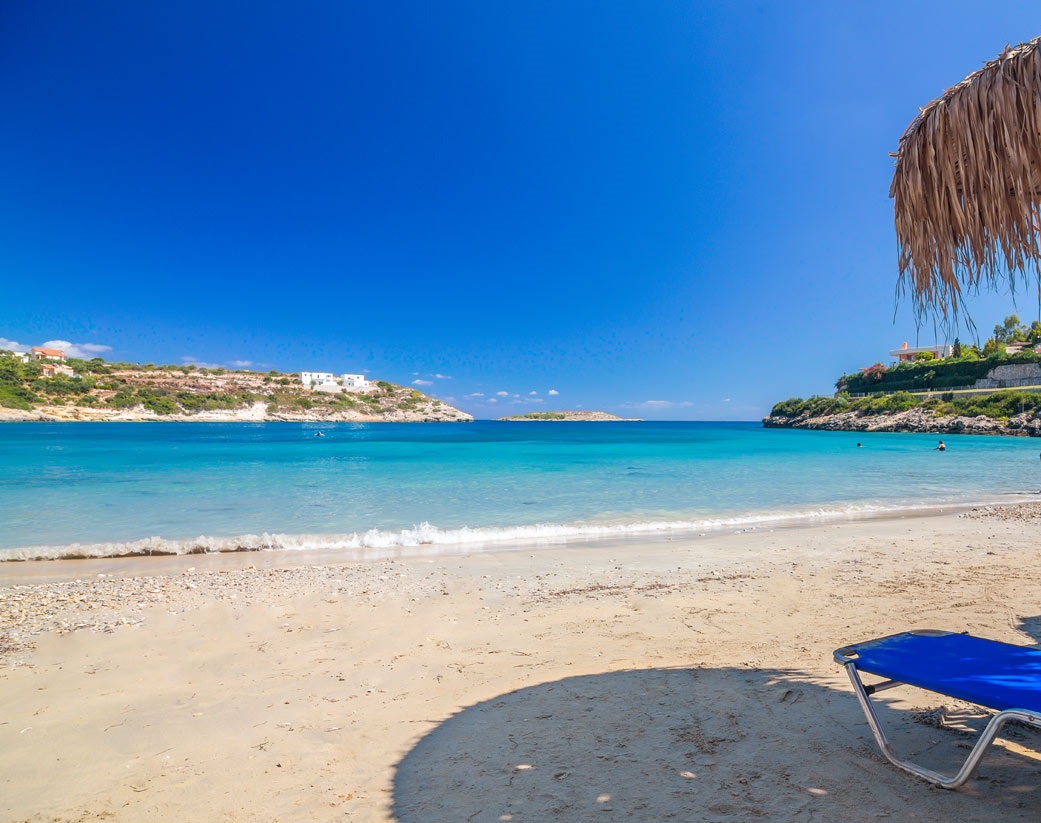
Loutraki Beach, located on Crete's Akrotiri peninsula approximately 16 km east of Chania, is a serene spot favored by both locals and visitors. Nestled in a small bay, the beach is shielded by rocky hills, ensuring calm waters even on
Loutraki Beach, located on Crete's Akrotiri peninsula approximately 16 km east of Chania, is a serene spot favored by both locals and visitors. Nestled in a small bay, the beach is shielded by rocky hills, ensuring calm waters even on windy days.
The shoreline features fine sand and clear, shallow waters, making it particularly suitable for families with children. Loutraki is well-equipped with amenities, including sunbeds, umbrellas, and a beachfront café offering a variety of food and drinks. Visitors can also find a large parking area shaded by eucalyptus trees, enhancing the overall comfort.
Adjacent to the beach, there's a grassy area with additional sunbeds, often managed by nearby establishments like the Mare Nostrum Villas. While the beach offers a peaceful environment, some visitors have noted that music from nearby venues can occasionally be heard.
For those seeking a tranquil beach experience near Chania, Loutraki Beach presents a delightful option, combining natural beauty with convenient facilities.
Show More
Archaeological Museum of Chania
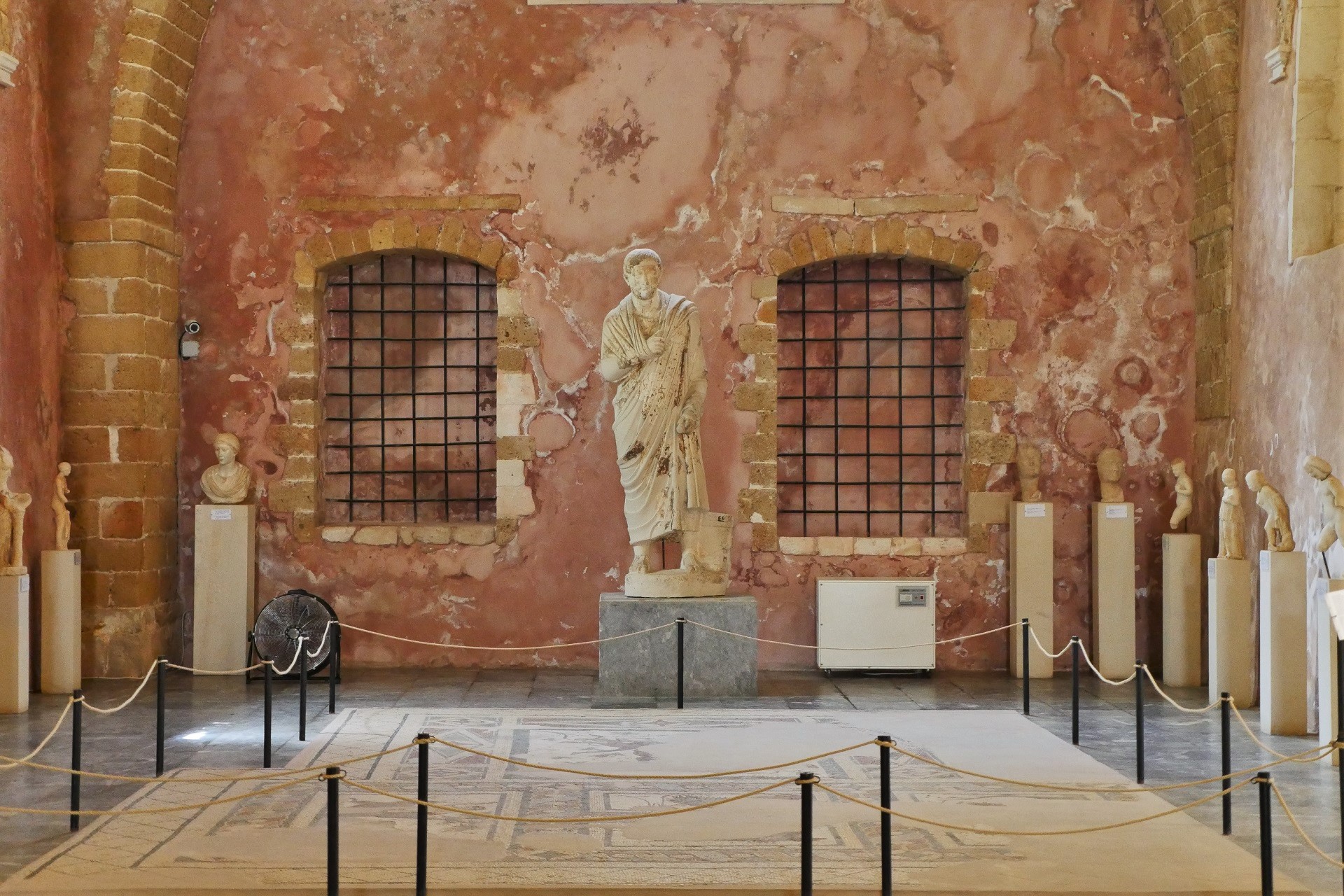
The Archaeological Museum of Chania, housed in a historic building in the heart of the city, is a captivating showcase of Crete’s rich cultural heritage. Established in 1962, the museum's striking collection spans from the Minoan to the Roman periods,
The Archaeological Museum of Chania, housed in a historic building in the heart of the city, is a captivating showcase of Crete’s rich cultural heritage. Established in 1962, the museum's striking collection spans from the Minoan to the Roman periods, offering an immersive experience of the island’s past. The museum’s exhibitions highlight the diverse history of Chania, with artifacts ranging from ancient pottery and sculptures to intricate jewelry, all thoughtfully displayed to tell the story of Crete’s ancient civilizations.
The museum’s uniqueness lies in its ongoing efforts to update and expand its exhibits, ensuring that new archaeological discoveries continually enrich the visitor experience. This dynamic approach not only reflects the island's evolving historical narrative but also keeps the public engaged with the ongoing work of archaeologists. Visitors can explore a combination of permanent displays and temporary exhibitions that introduce the latest finds, supported by modern audiovisual technology that enhances the storytelling experience.
In addition to its primary exhibitions, the museum also houses a dedicated study center, contributing to research and the ongoing preservation of Crete's archaeological treasures. The Archaeological Museum of Chania stands as a testament to the island’s deep historical roots and is a must-visit for anyone interested in exploring Crete’s ancient past.
Show More
Seitan Limania Beach
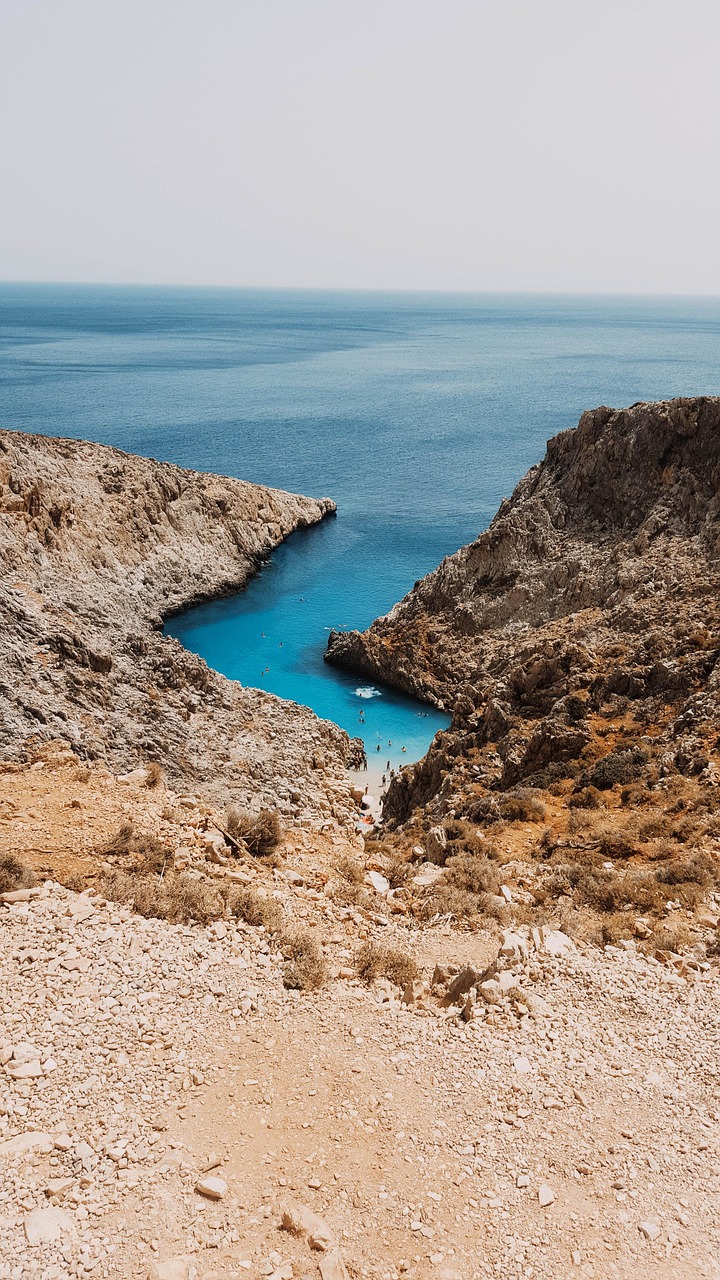
Seitan Limania Beach, nestled on the northeastern side of Crete's Akrotiri Peninsula, is a breathtaking cove that captivates visitors with its dramatic beauty. Approximately 22 km northeast of Chania, this secluded beach is renowned for its crystal-clear turquoise waters, soft
Seitan Limania Beach, nestled on the northeastern side of Crete's Akrotiri Peninsula, is a breathtaking cove that captivates visitors with its dramatic beauty. Approximately 22 km northeast of Chania, this secluded beach is renowned for its crystal-clear turquoise waters, soft white sands, and the towering cliffs that encircle it, creating a sense of intimacy and serenity.
The name "Seitan Limania," translating to "Devil's Harbor," originates from the Turkish word "Seitan," meaning "devil," and "Limania," meaning "harbors." This moniker is believed to reflect the beach's challenging access and the surrounding rugged terrain, which historically served as a hideout for pirates.
Reaching Seitan Limania Beach requires a short hike down a steep path from the parking area, taking approximately 15 minutes. The trail can be challenging, so it's advisable to wear appropriate footwear. Once you arrive, the beach offers a tranquil escape, ideal for swimming, sunbathing, and immersing yourself in the natural beauty of the surroundings. However, be cautious of strong currents and waves, especially during windy conditions.
It's important to note that Seitan Limania is a relatively secluded spot with limited facilities. There are no lifeguards, restrooms, or food vendors on-site, so visitors should plan accordingly by bringing essentials such as water, snacks, and sun protection. Additionally, the access road is narrow and winding, requiring careful driving.
For those seeking a unique and picturesque beach experience, Seitan Limania offers a memorable destination that combines natural beauty with a sense of adventure.
Show More
Agia Marina
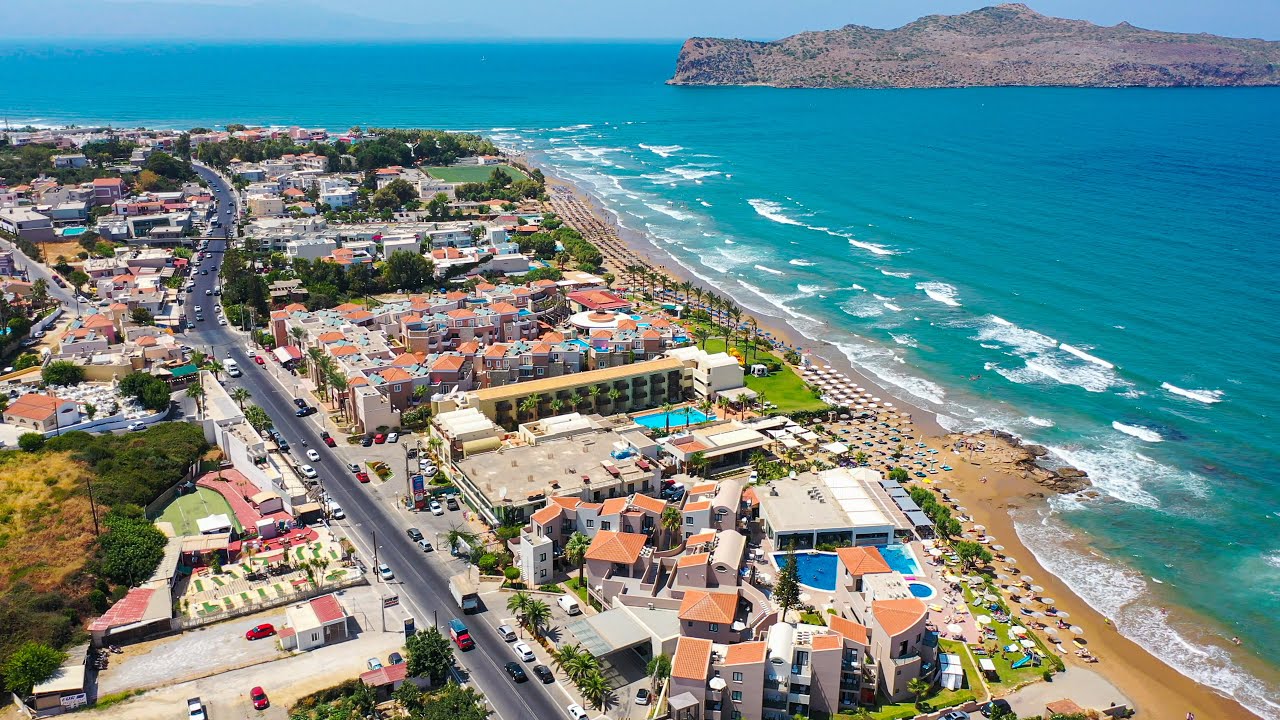
Agia Marina is a beautiful seaside village located about 10 km west of Chania on the island of Crete. This charming village is known for its long, sandy beach and vibrant atmosphere, making it a perfect destination for those looking
Agia Marina is a beautiful seaside village located about 10 km west of Chania on the island of Crete. This charming village is known for its long, sandy beach and vibrant atmosphere, making it a perfect destination for those looking to relax by the sea while enjoying a variety of dining and entertainment options.
The main beach of Agia Marina stretches over 2.5 kilometers and features soft golden sand and crystal-clear, shallow waters, ideal for families with children and those who enjoy leisurely swims. The beach is well-organized, offering sunbeds, umbrellas, and showers, along with a range of water activities such as jet-skiing, parasailing, and banana boat rides.
The village's lively promenade, parallel to the beach, is filled with a variety of restaurants, tavernas, and bars. You can enjoy traditional Cretan dishes like seafood, grilled meats, moussaka, and dakos, as well as international options such as Italian and Mediterranean cuisine, catering to all tastes
Beyond the beach and eateries, Agia Marina offers a vibrant nightlife scene, with numerous bars and clubs where you can enjoy drinks, music, and dancing late into the night.
Show More
Balos Lagoon and Gramvousa Island
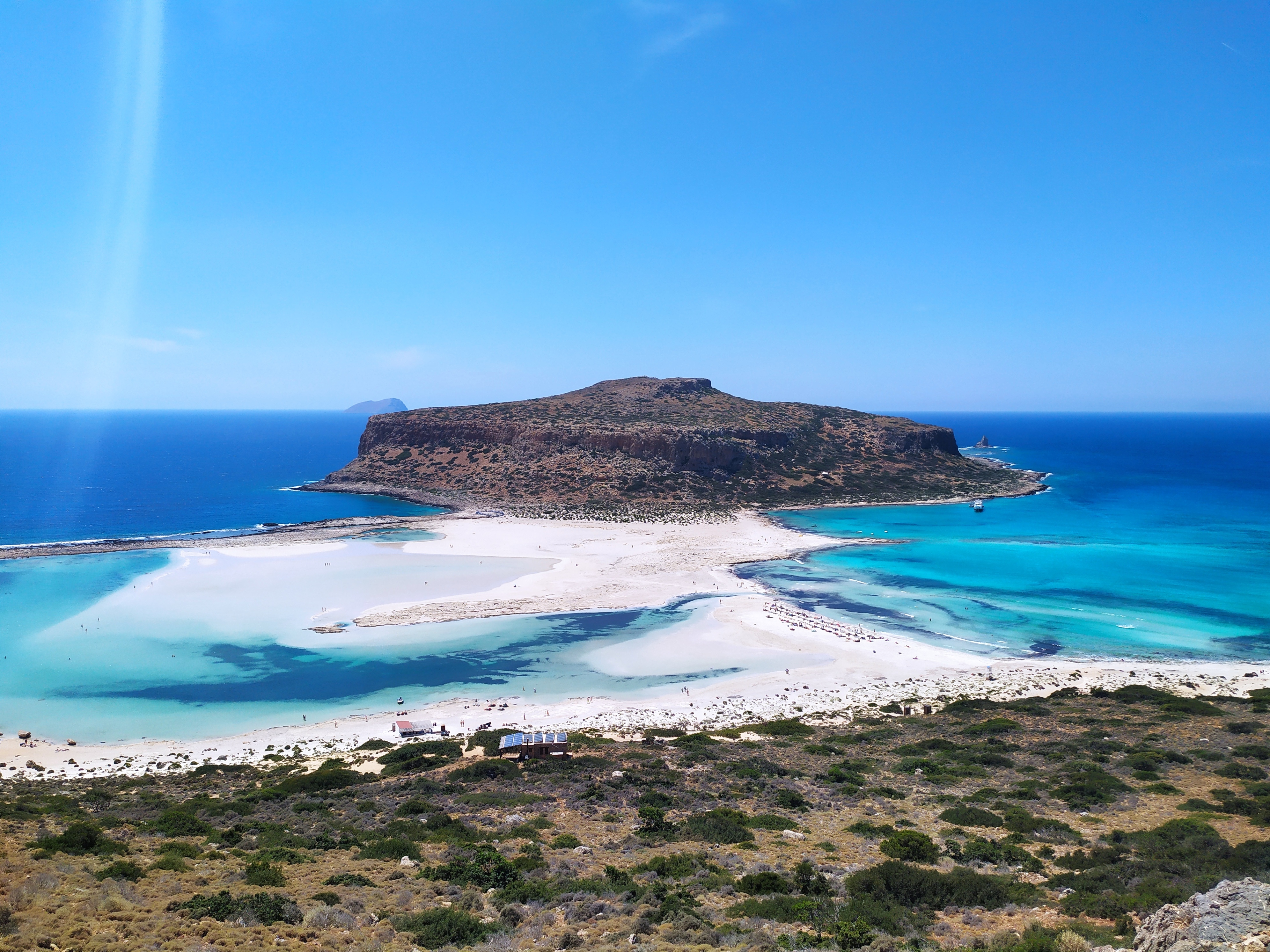
Balos Lagoon and Gramvousa Island, located on the northwest coast of Crete, form one of the most stunning and picturesque destinations in Greece. This breathtaking region combines pristine beaches, turquoise waters, and historical significance, making it a must-visit for nature
Balos Lagoon and Gramvousa Island, located on the northwest coast of Crete, form one of the most stunning and picturesque destinations in Greece. This breathtaking region combines pristine beaches, turquoise waters, and historical significance, making it a must-visit for nature lovers and history enthusiasts alike.
Balos Lagoon is a true paradise, with its shimmering white sand and crystal-clear, shallow waters that create a mesmerizing palette of blues and greens. Accessible by boat from Kissamos Port, the journey offers panoramic views of Crete’s rugged coastline. Once you arrive, you’ll be greeted by an idyllic beach surrounded by dramatic cliffs, perfect for swimming, sunbathing, or simply immersing yourself in the serene beauty of the landscape. The lagoon's unique blend of natural features makes it one of the most photographed locations in Crete.
Just a short boat ride away lies Gramvousa Island, a small yet historically rich island with an impressive Venetian fortress perched on its highest peak. Built in the late 16th century, the fortress offers sweeping views of the surrounding sea and coastline, providing a glimpse into the island's strategic importance during the Venetian and Ottoman periods. Gramvousa also holds a place in history as a refuge for local insurgents during the Greek War of Independence. Exploring the ruins of the fortress adds a fascinating layer to your visit, linking the natural beauty of Balos to the island's storied past.
Whether you’re seeking a day of relaxation by the turquoise waters of Balos or a historical adventure atop the ancient fortress of Gramvousa, this stunning corner of Crete promises an unforgettable experience. With its combination of pristine nature and rich history, Balos and Gramvousa remain a cherished treasure of the island.
Show More
Agia Triada Monastery
The Agia Triada Monastery, also known as the Monastery of Agia Triada Tsagarolon, is a prominent Greek Orthodox monastery situated on the Akrotiri Peninsula in Crete, approximately 15 kilometers northeast of Chania. Established in the 17th century by the Venetian-Cretan
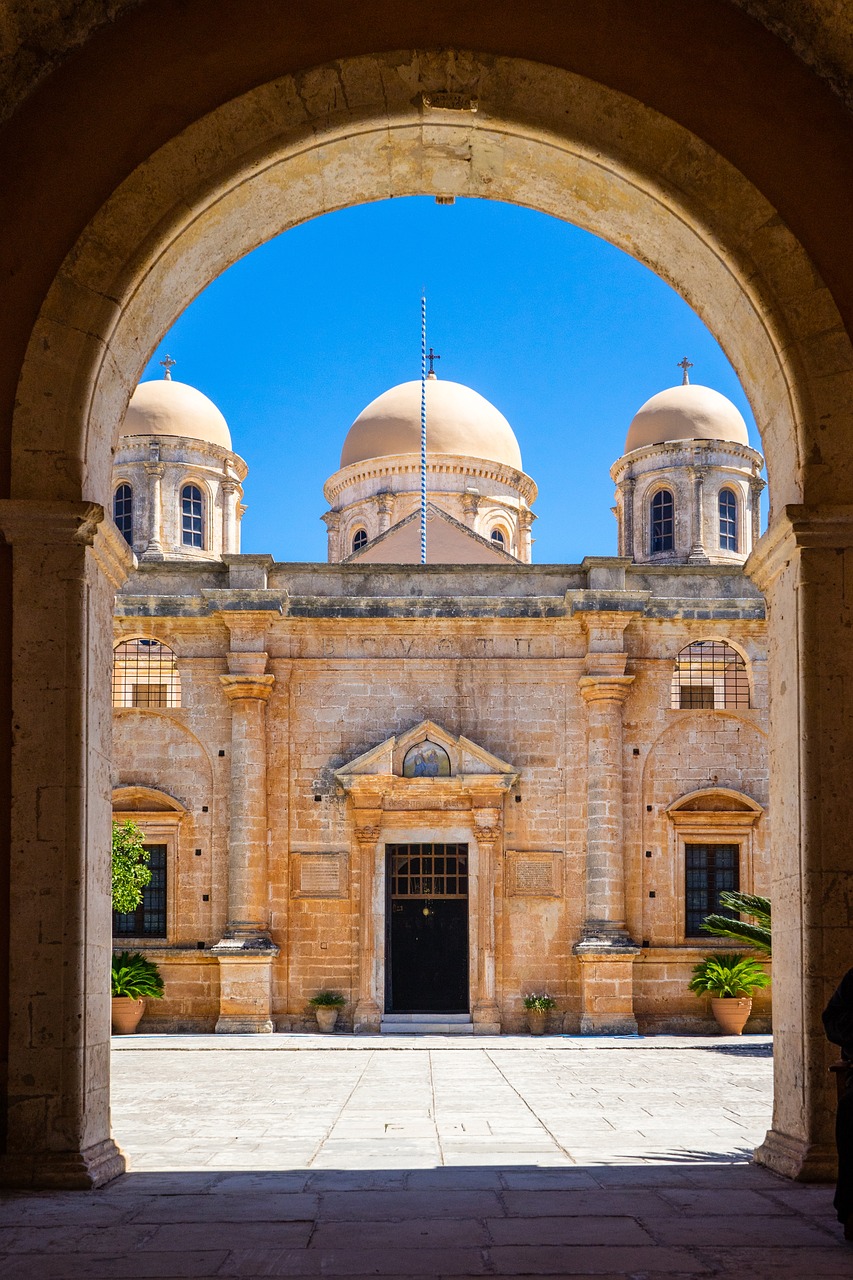
The Agia Triada Monastery, also known as the Monastery of Agia Triada Tsagarolon, is a prominent Greek Orthodox monastery situated on the Akrotiri Peninsula in Crete, approximately 15 kilometers northeast of Chania. Established in the 17th century by the Venetian-Cretan brothers Jeremiah and Laurentios Zangaroli, who had embraced the Orthodox faith, the monastery stands on the site of a pre-existing church and showcases a harmonious blend of Byzantine and Venetian architectural styles.
The monastery's main church, dedicated to the Holy Trinity, features a cruciform design crowned with three domes. Its façade is adorned with double columns of Ionic and Corinthian styles, bearing an inscription dated to 1631. The complex also includes two smaller domed chapels dedicated to the Life-Giving Spring (Zoodochos Pigi) and Saint John the Theologian.
Throughout its history, Agia Triada Monastery has played a significant role in Crete's religious and educational spheres. In the 19th century, it housed a theological school, and since 1892, it has operated a seminary, contributing to the island's ecclesiastical life and public education.
Visitors to the monastery can explore its rich library containing rare books and a museum showcasing an impressive collection of icons and codices. Notable exhibits include a 16th-century portable icon of St. John the Theologian and "The Last Judgment," a 17th-century work by Emmanuel Skordiles.
Surrounded by olive and orange groves, the monastery is renowned for producing and selling high-quality wine and olive oil, offering visitors a taste of its traditional monastic products.
With its historical significance, architectural beauty, and serene environment, Agia Triada Monastery remains a vital spiritual and cultural landmark in Crete, attracting visitors seeking insight into the island's rich heritage.
Show More
Lake Kournas
Lake Kournas, nestled between the western slopes of Crete's White Mountains and the fertile plain of Georgioupolis, is the island's sole freshwater lake. Located approximately 22 km east of Chania, it offers a serene escape from the bustling coast.The lake's
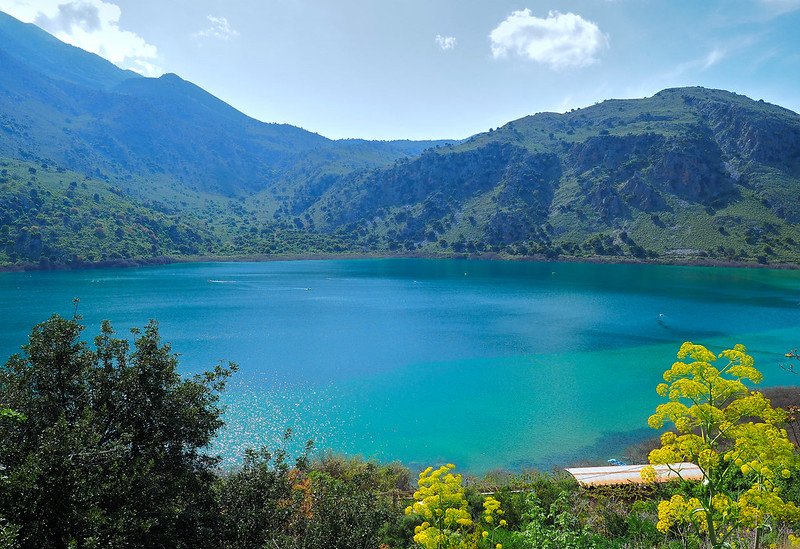
Lake Kournas, nestled between the western slopes of Crete's White Mountains and the fertile plain of Georgioupolis, is the island's sole freshwater lake. Located approximately 22 km east of Chania, it offers a serene escape from the bustling coast.
The lake's crystal-clear waters are ideal for swimming and boating. Visitors can rent pedal boats or kayaks to explore its tranquil expanse, keeping an eye out for the resident terrapins and diverse fish species.
Surrounded by lush greenery, Lake Kournas is a haven for picnics and relaxation. A sandy strip emerges during summer, inviting sunbathers to unwind. The area boasts numerous tavernas offering traditional Cretan cuisine, providing picturesque views of the lake.
For those seeking a leisurely stroll, the path around the lake offers gentle walks amidst stunning scenery. The surrounding hills are also ideal for hiking, with trails suitable for various fitness levels.
Rich in history, Lake Kournas was known as Koresia in ancient times, believed to have been the site of a temple dedicated to Athena. Local legends add to its mystique, recounting tales of a submerged village and the haunting apparition of a priest's daughter.
Show More
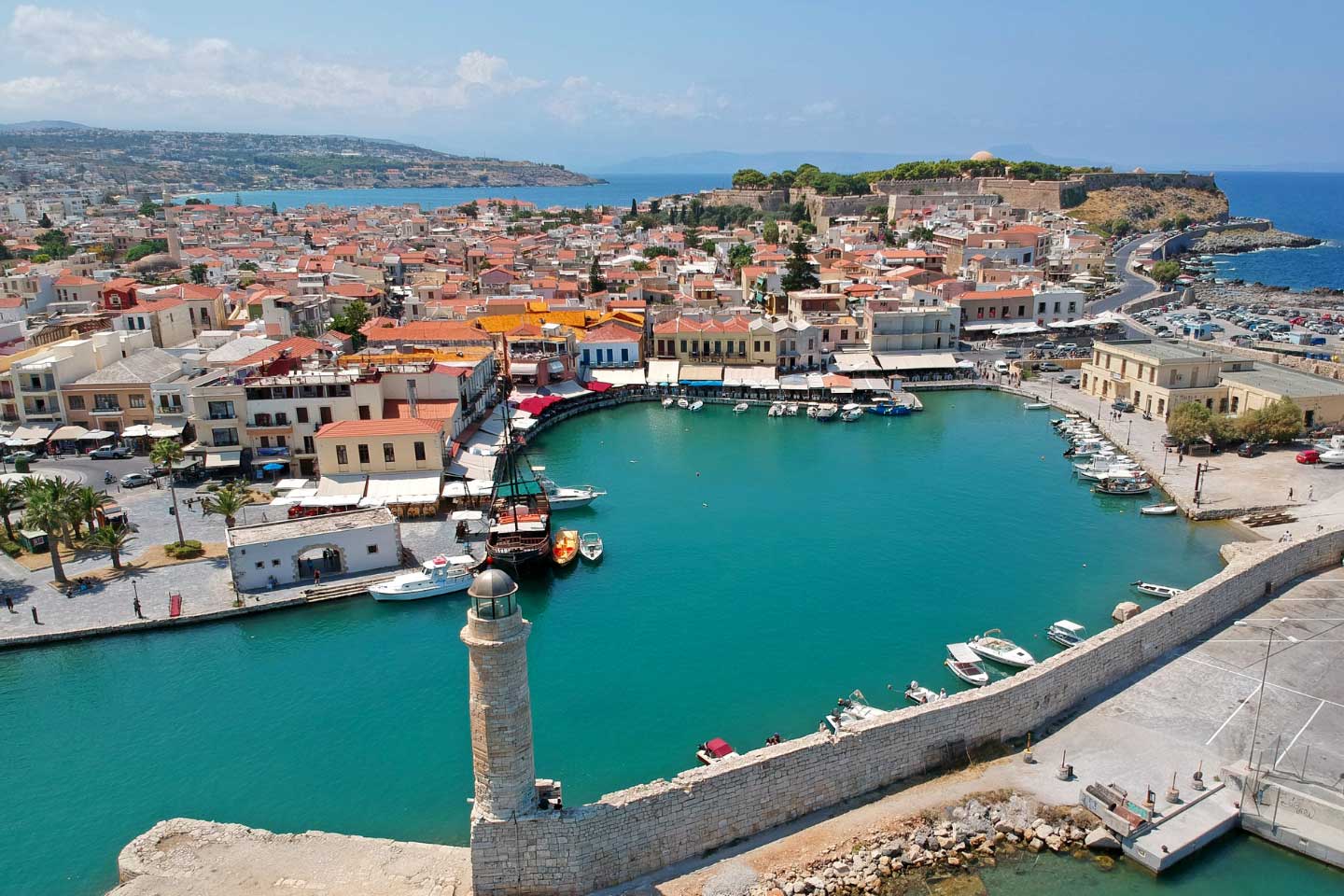
Rethymno City
Rethymno is a charming city located on the northern coast of Crete, known for its rich history, stunning architecture, and vibrant culture. Founded in the 4th century BC, Rethymno boasts a blend of Venetian, Ottoman, and Byzantine influences that can
Rethymno is a charming city located on the northern coast of Crete, known for its rich history, stunning architecture, and vibrant culture. Founded in the 4th century BC, Rethymno boasts a blend of Venetian, Ottoman, and Byzantine influences that can be seen in its well-preserved Old Town, characterized by narrow cobblestone streets, picturesque alleys, and historic buildings.
At the heart of the city lies the impressive Venetian harbor, lined with cafés and tavernas, where visitors can enjoy fresh seafood while taking in views of the old fortress, Fortezza. This 16th-century fortress offers panoramic vistas of the city and the sea, making it a popular spot for both history buffs and photographers.
Rethymno's Old Town is also home to several notable landmarks, including the Rimondi Fountain, the Great Gate, and the many churches and mosques that reflect its diverse cultural heritage. The city hosts various festivals and events throughout the year, showcasing Cretan music, dance, and cuisine, providing visitors with a taste of local traditions.
The nearby sandy beaches, such as Rethymno Beach, are perfect for sunbathing and water sports, making the city an ideal destination for relaxation and outdoor activities. With its rich history, vibrant atmosphere, and stunning coastal scenery, Rethymno offers a unique blend of experiences for anyone exploring Crete.
Show More
